An analysis of the General Statute of the 2014 FIFA World Cup Brazil
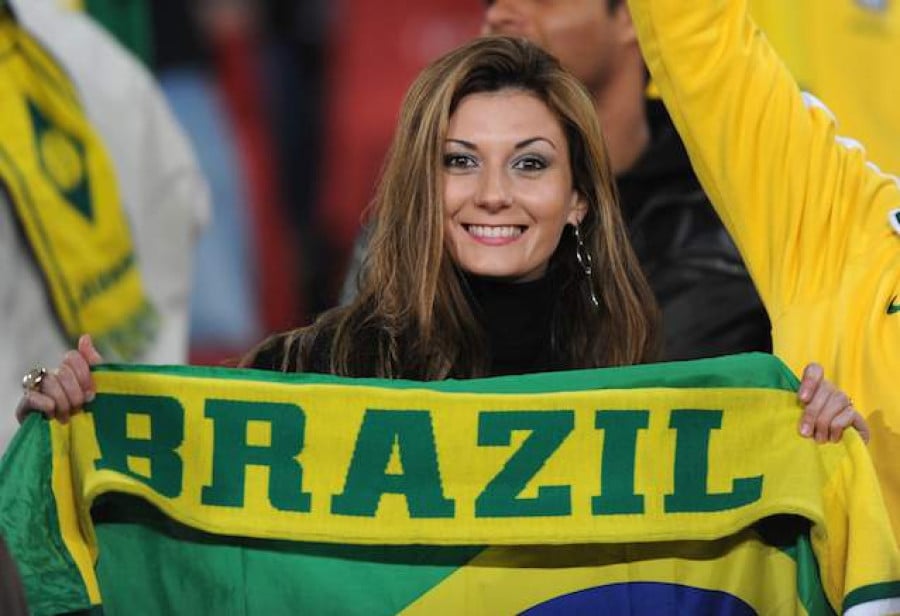
The FIFA World Cup is one of the biggest sporting events on the planet. In 2014, Brazil will host the tournament again 64 years after the Brazilian national team was crowned runner-up in the Maracanã stadium, Brazil. Many benefits arise from mega events, ranging from tourism and employment to improvements in social welfare and infrastructure.
The 2014 World Cup will be the first to establish ecological and social parameters to be met by governments and private companies that participate in its organization. FIFA calls this the "Green Goal" created to mark the concern for the environment and sustainability of mega events.
To continue reading or watching login or register here
Already a member? Sign in
Get access to all of the expert analysis and commentary at LawInSport including articles, webinars, conference videos and podcast transcripts. Find out more here.
- Tags: Brazil | FIFA | Football | General Statute of the World Cup | Intellectual Property | United Kingdom (UK) | World Cup
Written by

Nilo Effori
Nilo is a Partner and leads Brandsmiths' sports law practice globally.
He advises professional sports clubs, federations, athletes, agents, intermediaries and key stakeholders in high-stakes, cross-jurisdictional disputes before premier adjudicatory forums, including:
- The Court of Arbitration for Sport (CAS)
- The Basketball ArbitralTribunal (BAT)
- The FIFA Football Tribunal
- The FEI Tribunal
- The FIA International Court of Appeal.
Nilo's work encompasses complex disciplinary, regulatory, contractual and anti-doping cases, providing rigorous advocacy, strategic dispute management and tailored risk-based counsel in matters involving international rules, stakeholders and multi-jurisdictional enforcement.