Deepfakes and sports stars: the legal toolkit to protect image, brand and likeness
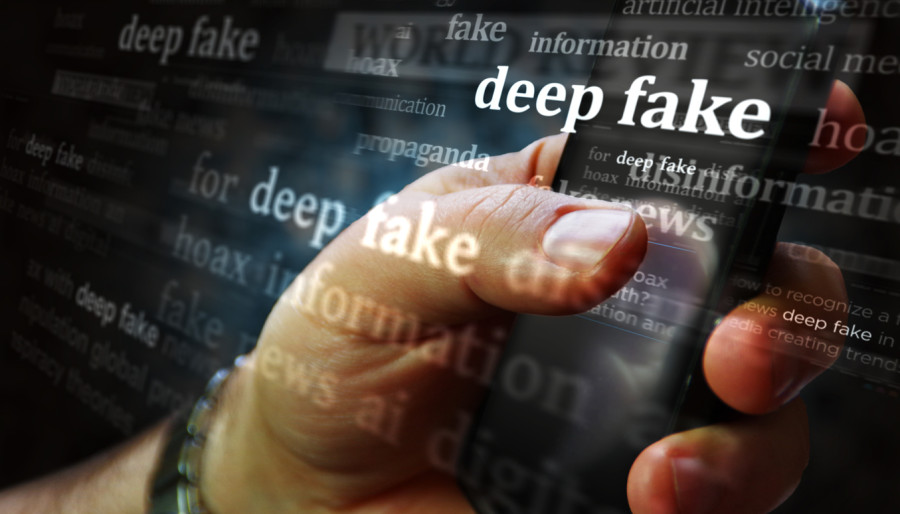
We live in an increasingly online world. Online videos and images have a real impact, influencing everything from what people buy to who they support. Recently, generative AI has led to a noticeable spread of “deepfakes”, often featuring well-known celebrities including sports stars that can tarnish reputations in minutes.
The EU AI Act defines deepfakes as:
"AI-generated or manipulated image, audio or video content that resembles existing persons, objects, places, entities or events and would falsely appear to a person to be authentic or truthful"[1].
This article examines the challenges deepfakes pose to athletes, and the legal and practcial solutions available to their teams to combat the problem. The article focuses on English law, although draws on the EU definition above as a useful starting point as it captures the key characteristics that distinguish deepfakes from other forms of manipulated media. Athletes should note that this is an area where the law will continue to evolve and that it is important to take a broad approach when considering strategy.[2]
Article Overview
To continue reading or watching login or register here
Already a member? Sign in
Get access to all of the expert analysis and commentary at LawInSport including articles, webinars, conference videos and podcast transcripts. Find out more here.
- Tags: Commercial | Copyright | Darts | EU AI Act | Intellectual Property | Trade Mark Act 1994 | Trade Marks | United Kingdom (UK)
Written by

Maya de Silva
Maya is an IP and Commercial Associate at Wedlake Bell. She advises on general commercial, intellectual property and data protection matters, and provides commercial, client-focused advice and recommendations. She advises clients in a range of sectors, including retail, healthcare, technology, art and luxury, logistics, hotels and hospitality, consumer goods and real estate.
Her work includes drafting, reviewing and advising on master services agreements, software as a service (SaaS) agreements, terms and conditions, non-disclosure agreements, property management agreements, intellectual property and trade mark assignments, alongside a range of agreements. She also advises in relation to protecting and exploiting IP, IT contracts, AI, software development and licensing, business-process outsourcing, and data protection documentation and compliance.