Inside The New Stadium Finance Playbook: Opportunities & Credit Dynamics of Modern Venues
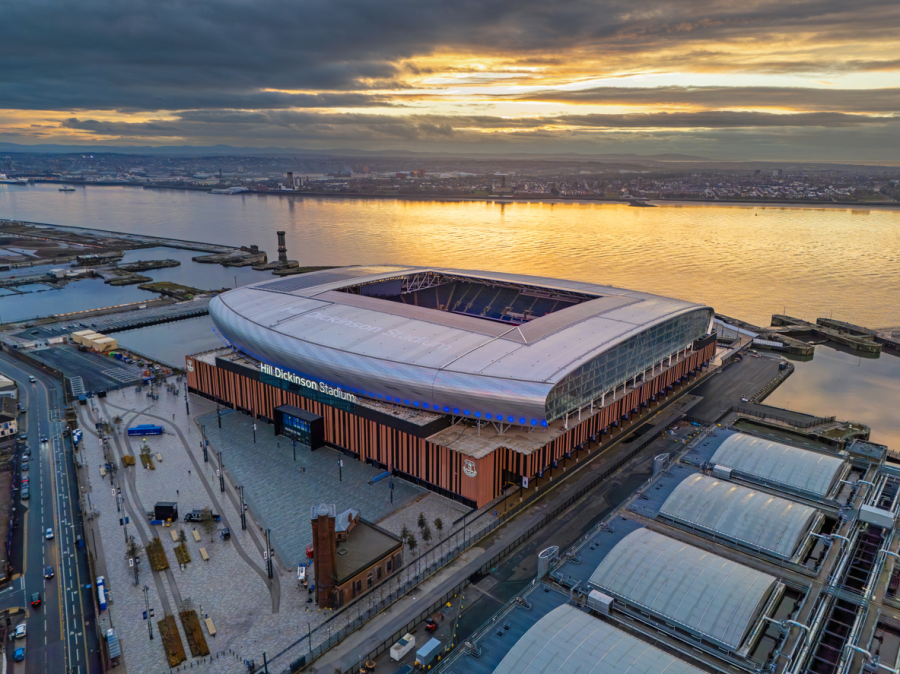
Stadium and arena projects are increasingly being financed as long-life infrastructure assets, with capital structures that blend construction-stage bank funding, long-dated institutional debt and, in the right fact patterns, monetisation of defined revenue streams. The consensus as between the investment, construction and sports communities is reflected in Deloitte’s 2026 Global Sports Industry Outlook[1], which notes that as the value of media rights continues to climb, stadiums and sports districts are proliferating globally, and franchise valuations and commercial revenues across major leagues continue to reach new highs, reflecting the widening monetisation opportunities surrounding venue ecosystems. Alongside continued investment in training facilities and esports venues, there are dozens of active stadium developments worldwide in 2026, with more than 20 new stadiums scheduled to open across Europe, Asia, Africa, and the Americas in 2027[2], signifying one of the most active construction cycles in recent decades.
Increasingly, venues are conceived as mixed-use entertainment platforms rather than single-purpose matchday infrastructure: operators seek year-round utilisation through concerts and other non-sport events, premium hospitality, VIP experiences, and fan-focused social and cultural spaces, all intended to broaden and stabilise cash generation beyond traditional ticketing and in-stadium spend. That shift, coupled with greater technical and operational complexity, has driven build costs sharply higher over the last decade, with budgets frequently significantly exceeding the billion-pound range[3]. As project scale and execution risk increase, sponsors are relying on more sophisticated debt solutions that combine different instruments across the asset lifecycle, and that are capable of standing up to both construction risk and long-term operational volatility.
Against that background, this article considers: What is drawing banks, private credit and institutions into sports infrastructure; how the principal debt products are used in practice; and the core structuring and documentary features that lenders typically require in this sector.
Article Overview
To continue reading or watching login or register here
Already a member? Sign in
Get access to all of the expert analysis and commentary at LawInSport including articles, webinars, conference videos and podcast transcripts. Find out more here.
- Tags: Arenas | Debt Finance | Finance | Football | M&A and Investment | Real Estate | Stadiums | United Kingdom (UK)
Written by

Daniela Cohen
Daniela is a Partner of Winston & Strawn. She specialises in UK and cross-border debt financing transactions, including leveraged buyout financings, restructurings, and syndicated direct lender and club transactions, as well as in structured finance, project and infrastructure finance, and general secured lending transactions.