Policing Football in 2026: Surveillance, Proportionality and the Limits of the Law (UK)
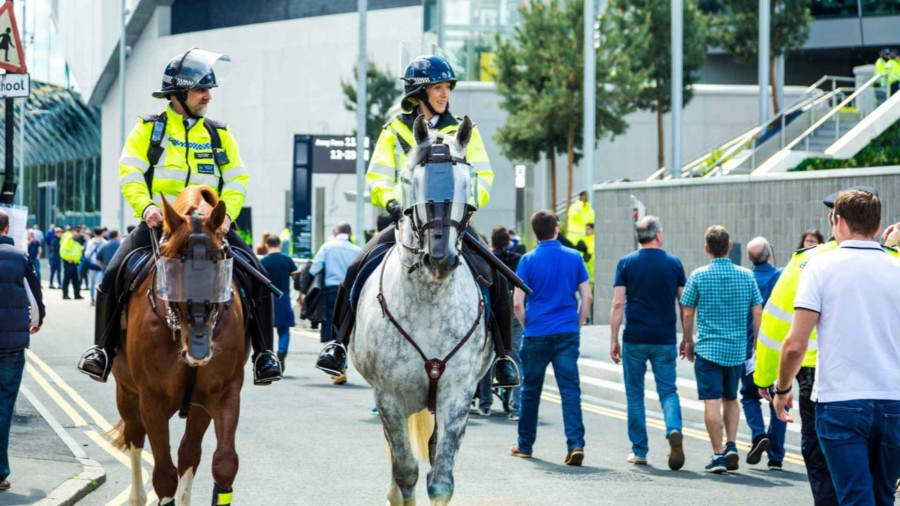
The UK’s government's January 2026 white paper, From Local to National: A New Model for Policing, [1] is an ambitious restructuring of policing in England and Wales. For most people working in football, it may not have registered as an operational priority yet. However, it should, football is already one of the most heavily policed civilian environments in the UK, and the white paper will accelerate trends that directly affect football organisations and fans: with the expansion of live facial recognition, increased algorithmic risk-profiling, and a deepening data-sharing relationship between police forces and club.
This article examines those implications through a practitioner's lens, drawing on Police and Criminal Evidence Act 1984 (PACE), the Data Protection Act 2018, UK General Data Protection Regulation (UK GDPR), and the European Convention on Human Rights. It considers where club liability begins and ends when surveillance is deployed at or near stadiums, what regulatory risk arises from informal data-sharing arrangements, and whether football organisations are adequately scrutinising the proportionality of enforcement action - including Football Banning Orders (FBOs) - taken in their name. Policing football is no longer simply a matter for the police.
Article Overview
- The White Paper and the Future of Policing
- The Relevance for Football Policing
- Data Collection, Surveillance and Preventive Actions
- Stop and Search, AI and Legal Controls
- Data Protection and the Use of Policing Data
- Data Sharing Between Police and Football Clubs
- Football Banning Orders: Prevention or Punishment?
- Policing Tactics, Evidence and Community Approaches
To continue reading or watching login or register here
Already a member? Sign in
Get access to all of the expert analysis and commentary at LawInSport including articles, webinars, conference videos and podcast transcripts. Find out more here.
- Tags: AI | facial recoginition | Football | Football Banning Orders | Policing | Premier League | UK
Written by

Daniel Jackson
Daniel is a Partner at BCL. He is highly experienced in acting for individuals being investigated and prosecuted for sexual, dishonesty, violence, drugs and road traffic offences. He defends professional clients, such as sports stars and media personalities, facing high-profile and complex criminal matters, where reputation management is often paramount.